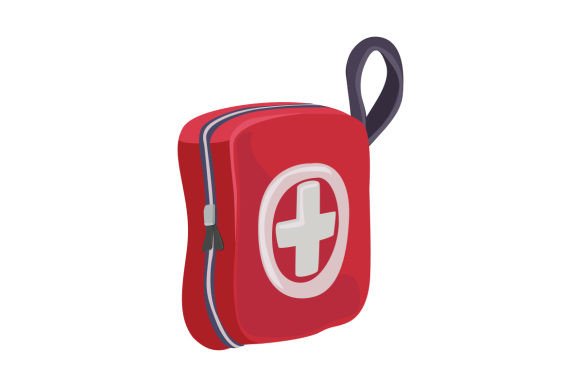
First Aid Kit: A Designer’s Review for Embroidery Projects
As a designer who has spent years digitizing and stitching countless motifs, I have learned that the difference between a good design and a great one often lies in the details. When I first loaded First Aid Kit into my embroidery software, I was looking for more than just a cute icon. I needed a graphic that could hold its own on a variety of textiles while maintaining clarity and professional appeal. This review breaks down how this specific design performs in real-world scenarios, from small business merchandise to personalized gifts.
Visual Impact and Design Personality
The immediate impression of First Aid Kit is one of clean, approachable utility. It does not try to be overly complex, which is a significant advantage in machine embroidery. Complex designs often suffer from thread breaks or puckering when scaled down, but this motif strikes a balance between recognizable shape and stitchable simplicity. The layout suggests a classic medical theme without feeling sterile or cold, making it versatile for both serious Medical contexts and playful Crafts applications.
The visual personality here is friendly yet functional. For an Etsy seller or a small shop product creator, this matters. Customers are drawn to items that feel handmade but polished. The design’s lines are distinct enough to read clearly even from a distance, which is crucial if you are using it on a tote bag design or a large sweatshirt embroidery piece. It avoids the clutter that plagues many digital assets, ensuring that the final finished product looks intentional rather than chaotic.
Real-World Application Scenarios
To truly evaluate an embroidery file, you must imagine it stitched out. I recently considered this design for a custom order involving a set of canvas tote bags for a local community health initiative. The First Aid Kit motif fit perfectly. It provided immediate context without needing excessive text. Because the design is relatively compact, it sat nicely in the center of the bag without overwhelming the fabric texture.
Beyond totes, this design shines in custom apparel. Imagine a soft fleece zip-up for a nursing student or a volunteer. The design translates well to satin stitch borders with a fill stitch interior, giving it a plush, tactile quality that buyers love. It also works exceptionally well as an embroidered patch. If you are creating iron-on or sew-on patches for a craft business, the clear outlines of this kit allow for clean cutting and durable edges.
For those focusing on baby embroidery, this motif can be softened with pastel thread colors to create a gentle "boo-boo kit" theme for a toddler’s backpack or diaper bag. It moves beyond strict medical utility into the realm of caring and preparation, which resonates deeply with parents looking for a personalized gift.
Technical Considerations for Stitching
While the design is robust, practical judgment is required before hitting the start button on your machine. One of the most critical factors is stitch density. Although I do not have the exact stitch count for this specific file, designs of this nature often benefit from a moderate density to prevent fabric distortion. If you are working with thin fabric, such as a lightweight cotton tee or a silk blend, always use a high-quality stabilizer. A cut-away stabilizer is generally safer for garments that will undergo frequent washing, ensuring the First Aid Kit remains flat and does not pucker over time.
Pay close attention to small details. If the design includes tiny elements like a cross or a latch detail, verify that they are not too small for your needle size. On curved surfaces, such as a cap or hat, these small areas can sometimes cause thread bunching. I recommend running a test stitch on scrap fabric of the same weight and type as your final project. This simple step saves hours of frustration and prevents wasted materials.
Color choice plays a massive role in the success of this embroidery project. While red and white are traditional, do not be afraid to experiment. For a modern boutique branding look, try teal and silver, or navy and gold. However, always check thread color contrast. If you are stitching on dark fabric, ensure your outline stitches are bright enough to define the shape. Conversely, on light fabrics, a darker outline can add definition and prevent the design from looking washed out.
Navigating File Formats and Usage
The product description notes that you will receive this design in SVG, Transparent PNG, EPS, and DXF formats. It is important to understand what this means for your workflow. These formats are primarily vector and image files, which are excellent for printable mockup creation, vinyl cutting, or screen printing. However, for machine embroidery, you typically need specific stitch files like PES, DST, or JEF.
If you are an embroidery designer using this as a base for digitizing, these vector formats are invaluable. You can import the SVG or EPS into your digitizing software to trace the shapes and assign stitch types manually. This gives you full control over running stitch paths, underlay, and pull compensation. If you are not a digitizer, ensure you confirm whether actual machine embroidery files are included or if you need to convert these assets. Always check licensing terms before selling commercial embroidery items or digital embroidery file derivatives.
Enhancing Product Value and Brand Trust
Using a well-executed design like First Aid Kit elevates the perceived value of your handmade product. In the crowded marketplace of Etsy listings and craft fairs, professionalism is key. A clean, well-stitched motif signals to the buyer that you care about quality. It builds customer trust and encourages repeat business. Whether you are creating holiday embroidery gifts or everyday design assets for a client, consistency in quality matters.
Furthermore, this design supports brand consistency. If your shop focuses on healthcare workers, first responders, or safety-conscious families, this motif becomes a recognizable part of your visual identity. It helps in creating a cohesive collection of small shop products that customers can easily identify as yours.
Final Verdict for Makers
In summary, First Aid Kit is a versatile and practical addition to any designer’s library. It bridges the gap between functional Medical imagery and creative Crafts, offering a wide range of application possibilities. From aprons in a clinic to pillow covers in a nursery, it adapts well to different contexts.
Remember to test your hoop size compatibility, select appropriate thread colors, and use the right stabilizer for your fabric. By treating this design with the technical respect it deserves, you can create stunning, durable, and marketable items that stand out in the handmade community. Whether you are a hobbyist or a seasoned creative entrepreneur, this design offers a solid foundation for your next successful project.