Review: Male Doctor Illustration for Embroidery
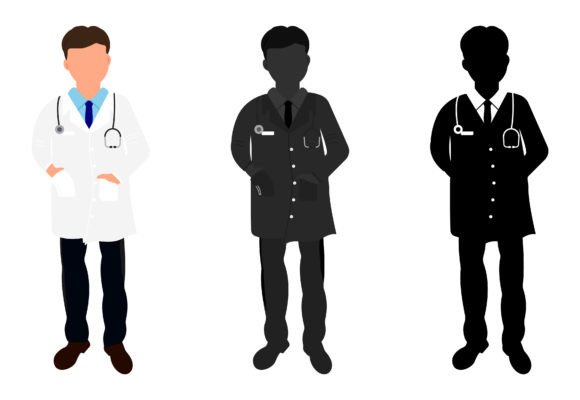
As a designer who has spent years translating digital art into thread, I have learned that not every graphic is created equal when it hits the needle. When I first pulled up the Male Doctor Illustration, my immediate reaction was one of cautious optimism. The description promises a standing medical professional in a simple flat vector style, which is exactly the kind of clean aesthetic that tends to translate well into stitch work. However, seeing a vector on a screen and watching it perform on fabric are two very different experiences. This review breaks down how this specific design holds up in real-world embroidery projects, from custom apparel to boutique merchandise.
First Impressions and Visual Personality
The mood of this illustration is professional yet approachable. By stripping away excessive detail and opting for a flat vector style, the design avoids the visual clutter that often plagues complex embroidery files. For an embroidery designer, simplicity is a virtue. Complex gradients and tiny details often turn into muddy patches of thread or cause registration issues on multi-needle machines. The Male Doctor Illustration relies on strong shapes and clear outlines, which suggests it will maintain its integrity even after hundreds of wash cycles.
The layout features a standing figure, which provides a vertical orientation that works naturally on many standard garment placements. Whether you are looking at chest logos on scrubs or larger back prints on hoodies, the proportions seem balanced. It does not feel top-heavy or awkwardly stretched, which is a common pitfall with character-based graphics.
Real-World Application: The Custom Tote Bag Test
To truly evaluate a design, I imagine it in a specific product context. Let’s say I am preparing a batch of custom tote bags for a local nursing graduation ceremony. This is a classic use case for Illustrations and Graphics meant for KDP or POD markets. I envision placing the doctor figure prominently on the front of a heavy canvas tote.
In this scenario, the simple flat vector style shines. Canvas has a visible texture, and overly detailed designs can get lost in the weave. Because this design uses bold, clean lines, it stands out clearly against the fabric grain. The lack of intricate shading means I can rely on solid fill stitches without worrying about thread breaks in dense areas. The result is a crisp, professional-looking bag that feels high-quality rather than mass-produced. Customers receiving these as gifts would likely appreciate the clarity of the image, associating the clean design with the professionalism of the medical field.
Versatility Across Product Lines
Beyond tote bags, this design has significant potential across various handmade products. For custom apparel, such as sweatshirts or t-shirts, the design serves as a strong focal point. On a sweatshirt, the thicker fabric supports the weight of the stitches well, allowing the figure to pop without puckering the material. For baby embroidery items like onesies or bibs, the simplicity is again a benefit. Parents prefer durable, easy-to-read designs on baby gear, and a simplified doctor figure fits the bill perfectly without being overwhelming.
For Etsy sellers and small shop owners, versatility is key to profitability. This graphic could easily be adapted into an embroidered patch. Patches require designs that hold their shape when cut out, and the solid nature of this vector suggests it would border nicely. It could also work on aprons for medical-themed cafes or clinics, adding a touch of personality to uniform wear. Even in digital contexts, such as creating printable mockups for marketing materials, the clean lines ensure the design looks sharp in promotional images.
Technical Considerations and Stitching Challenges
While the design is promising, there are areas where caution is necessary. As an experienced reviewer, I always look for potential pitfalls in stitch density and detail. Since the source files are provided in EP format, it is crucial to check how the software interprets the vector paths. You must verify whether the output generates appropriate satin stitch borders or if it relies heavily on fill stitch areas. Dense fill stitches can make garments stiff and uncomfortable, especially on items like caps or baby clothes.
Small hoop sizes present another challenge. If you are stitching this on a 4x4 inch hoop for a pocket logo, you must ensure the details do not become too compressed. Tiny features, such as facial expressions or medical tools held by the figure, might merge together if scaled down too far. I recommend testing the design on scrap fabric first at your intended size. Check the stitch density to ensure it does not perforate delicate fabrics. If you are working with stretchy materials like jersey knits, using a proper stabilizer is non-negotiable to prevent distortion.
Dark fabrics also require attention. If the design relies on light thread colors for contrast, ensure that the underlay stitches are sufficient to prevent the dark fabric from showing through. A test run on black navy blue fabric will reveal if the thread colors provide enough vibrancy and coverage.
Enhancing Brand Value and Customer Trust
Using high-quality design assets like this directly impacts perceived value. A blurry or poorly stitched logo undermines customer trust, whereas a crisp, well-executed Male Doctor Illustration enhances brand consistency. For healthcare professionals buying personalized gifts or workwear, the professionalism of the embroidery reflects on their own practice. A clean, modern design signals attention to detail and care.
For craft business owners, this means higher buyer engagement. Shoppers are drawn to items that look polished and intentional. By choosing a design that translates well into thread, you reduce the risk of returns due to poor quality. It also allows for faster production times since simpler designs often stitch out quicker and with fewer errors, improving your overall efficiency.
Practical Designer Notes
Before committing to a large production run, keep these practical steps in mind:
- Test on Scrap Fabric: Always stitch a sample on the exact fabric type you plan to use for the final product.
- Check Thread Contrast: Ensure your chosen thread colors stand out against the background fabric, especially for small details.
- Verify Licensing: The product description mentions use for KDP, POD, and marketing, but always confirm the specific license terms for commercial embroidery sales before listing finished items.
- Inspect Small Details: Zoom in on the digitized file to check for stray stitches or unnecessary jumps that could cause thread breaks.
- Mockup in Black and White: View the design in grayscale to ensure the shapes are distinct even without color differentiation.
In conclusion, the Male Doctor Illustration is a strong candidate for various embroidery projects due to its clean, flat vector style. It balances professional appeal with technical feasibility, making it suitable for both novice hobbyists and seasoned Etsy sellers. By paying attention to stitch density and fabric choice, you can create high-quality finished products that resonate with customers and elevate your brand.