Reviewing One Blessed Nurse Retro for Embroidery
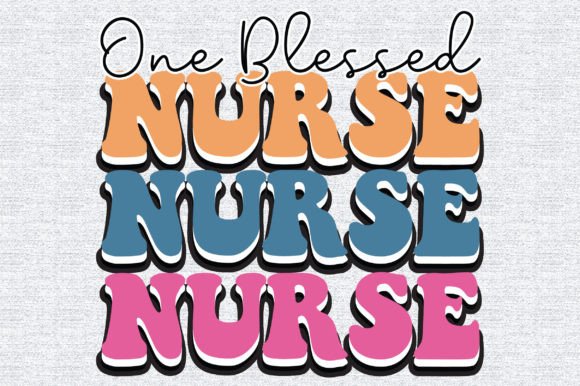
As a designer who has spent countless hours digitizing and testing files for real-world application, I approach every new asset with a critical eye. We are not just looking at pretty pictures; we are evaluating how a design translates from screen to thread. Today, I am taking a close look at One Blessed Nurse Retro. At first glance, this product is categorized under Print Templates and Graphics, specifically described as a digital download of a word art vinyl decal cutting file compatible with programs like Cricut Explore and Silhouette. However, for the embroidery community, the value lies in how we adapt these graphic assets into stitchable realities.
The Visual Personality and First Impressions
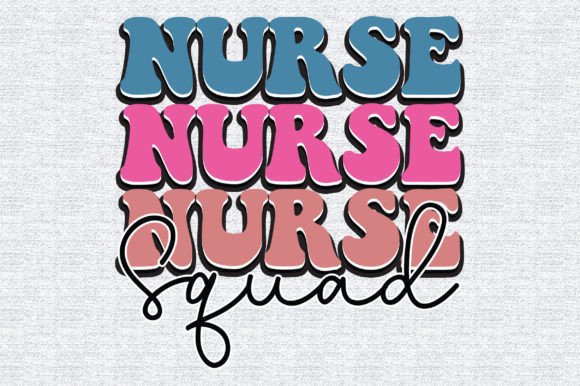
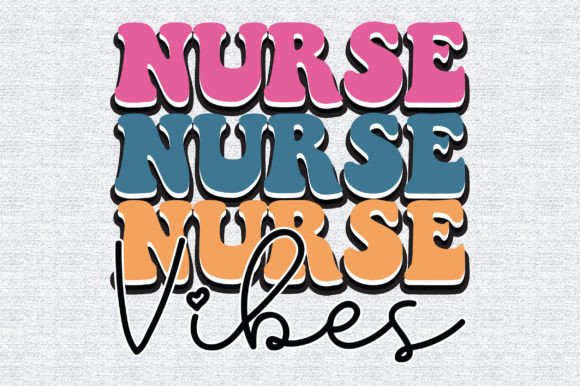
The immediate mood of One Blessed Nurse Retro is warm, nostalgic, and deeply appreciative. The retro aesthetic suggests a vintage typography style, likely featuring rounded edges or classic serif structures that evoke the 1970s or 80s. For an embroidery designer, this visual personality is crucial. It does not scream for attention with aggressive lines; instead, it invites a sense of comfort and pride. This makes it an ideal candidate for projects where emotional connection is the primary selling point. When I visualize this design, I see it sitting comfortably on soft, lived-in fabrics rather than stiff, corporate uniforms. It feels personal, which is exactly what modern buyers of handmade products are seeking.
Real-World Application: The Custom Tote Bag Scenario
To truly evaluate One Blessed Nurse Retro, let us walk through a practical scenario. Imagine a small shop owner preparing a line of gifts for Nursing Week. They decide to create a custom embroidered tote bag. The client wants something that stands out from the generic "Nurse Life" text found everywhere. Here, the retro styling of this graphic asset offers a unique boutique feel.
If I were adapting this word art into a machine embroidery design, I would focus heavily on the stitch type. Since the original file is a vector-based cutting file, it provides clean, scalable outlines. In embroidery, I would likely convert the thicker strokes of the letters into a satin stitch to maintain that bold, retro look. Thinner connecting lines might require a running stitch to prevent bulk. The challenge here is ensuring the "retro" flair does not get lost in translation. If the curves are too tight, the satin stitch may pucker. Therefore, checking the layout and detail level before digitizing is essential. The finished product would be a sturdy canvas tote, where the thread texture adds a tactile warmth that vinyl simply cannot achieve.
Performance Across Different Fabrics and Items
Versatility is key for any craft business. How does One Blessed Nurse Retro perform across various mediums? For sweatshirt embroidery, the design needs to hold its own against the fuzzy texture of fleece or cotton blends. A fill stitch might be necessary for larger letters to ensure visibility, but one must be cautious of stitch density. Too dense, and the fabric will pull; too sparse, and the backing shows through.
For baby embroidery, such as on a onesie or a soft blanket, the approach changes. The retro font must be simplified. Tiny details in the lettering can become irritants against sensitive skin. In this case, I would recommend using an applique design technique. By cutting fabric shapes to match the letters and stitching them down with a narrow satin border, you reduce the amount of thread on the garment, keeping it soft and flexible. This also adds a charming, layered look that enhances the handmade product appeal.
When considering caps or hats, the curved surface presents a distinct challenge. Word art often struggles on curved hoops because the perspective distorts the text. One Blessed Nurse Retro would need to be kept relatively small and centered. Using a stabilizer is non-negotiable here to prevent the cap from collapsing during stitching. For aprons or kitchen towels, the design shines. These items often benefit from bold, readable text, and the retro vibe fits perfectly with the current trend of vintage-inspired home decor.
Critical Considerations for Stitching Clarity
While the aesthetic is strong, there are areas where caution is required. Because this originates as a graphics file for cutting machines, it lacks inherent embroidery data. You must manually determine the stitch direction. For horizontal text, stitching left to right is standard, but for retro fonts with heavy vertical stems, you might need to adjust angles to prevent thread breakage.
Dark fabric poses another hurdle. If you are stitching light thread on a navy blue scrub top, the contrast is excellent. However, if the retro design has intricate inner cuts or negative space, those details might disappear on textured fabrics like terry cloth. Always test the design on scrap fabric first. Check thread color contrast rigorously. A black and white mockup can reveal if the design relies too much on color differentiation rather than shape definition. If the letters merge together in monochrome, the design needs simplification before it becomes a commercial embroidery asset.
Enhancing Brand Consistency and Customer Trust
For Etsy sellers and creative entrepreneurs, consistency builds trust. Using a cohesive style like One Blessed Nurse Retro across a product line—such as matching tote bags, patches, and pillow covers—creates a recognizable brand identity. Customers appreciate when a handmade item feels curated rather than cobbled together. The professional presentation of a well-stitched retro design signals quality. It tells the buyer that the maker cares about the details, from the choice of thread colors to the neatness of the backside stitching.
Moreover, this design supports high perceived value. A simple text design can feel cheap if not executed well. But a thoughtfully adapted retro font, with proper stabilizer use and clean trim, elevates the item from a basic commodity to a cherished personalized gift. Whether it is a holiday embroidery piece for a nurse’s family member or a boutique branding item for a medical spa, the design’s charm contributes directly to buyer engagement.
Practical Notes for the Designer
Before you import One Blessed Nurse Retro into your embroidery software, remember that it is a zipped digital download intended for cutting machines. You will need to trace or redraw the vectors to create a true machine embroidery design. Pay attention to the minimum stitch length your machine can handle. Verify hoop size constraints; a large phrase may require a multi-hoop setup or resizing to fit a standard 4x4 or 5x7 hoop.
Always confirm licensing terms. While the file is sold as a graphic asset, using it to create physical goods for sale usually falls under different rules than using it for personal crafts. Ensure you have the right to use the design for commercial embroidery projects. Finally, inspect small details. Retro fonts often have quirky ligatures or extended swashes. These look great in print but can cause thread jumps in embroidery. Simplify these elements to ensure a smooth stitching process and a durable finished product.
In conclusion, One Blessed Nurse Retro offers a solid foundation for creative adaptation. With careful attention to stitch density, fabric choice, and digitizing techniques, it can transform from a simple cutting file into a standout element in your embroidery portfolio. It is a reminder that good design transcends medium, provided the maker understands the technical requirements of the craft.