Reviewing Trust Me I m a Nurse for Embroidery
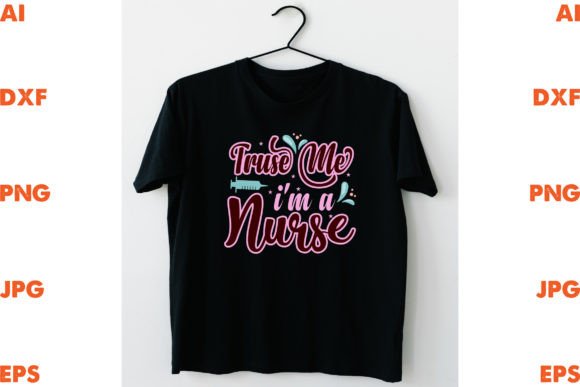
As a designer who has spent years digitizing and reviewing machine embroidery design files, I approach every new asset with a critical eye. It is not just about whether the image looks cute on a screen; it is about how those lines translate into thread, tension, and texture on actual fabric. Recently, I evaluated Trust Me I m a Nurse, a graphic intended primarily for T-Shirt Designs but versatile enough for broader applications. Here is my practical assessment of how this design holds up in real-world production.
First Impressions and Visual Personality
The immediate mood of Trust Me I m a Nurse is confident and playful. It taps into the proud, often humorous identity of healthcare professionals. From a layout perspective, the design relies heavily on typography and clear iconography. For an embroidery project, this is both a strength and a challenge. The visual personality suggests it belongs on items that are seen up close, where the message can be read clearly without straining the eyes.
When I look at the provided specifications, noting that the design size is listed as 18 feet by 15 feet, I pause. In the world of digital Graphics, this likely refers to pixels or a scalable vector dimension rather than physical inches for a hoop. However, the description states you can edit all elements easily. This editability is crucial. It means we can resize the composition to fit standard hoop sizes, adjusting the scale to ensure legibility without losing the integrity of the letters.
Real-World Application Scenarios
I recently considered using this design for a custom order involving a boutique nurse who wanted branded merchandise for her team. While the product description highlights t-shirts, I explored other avenues. A sweatshirt embroidery project came to mind first. The thick fabric of a crewneck provides a stable base for the fill stitches required in bold lettering. The design would sit prominently on the left chest or across the back, offering high visibility.
Beyond apparel, I envisioned this as a tote bag design. Nurses carry a lot of gear, and a sturdy canvas tote with this embroidered message serves as both a functional item and a statement piece. The contrast of white or light-colored thread against a navy or black canvas would make the text pop. Additionally, this could work well as an embroidered patch. By stitching the design onto a twill backing and cutting it out, you create a versatile accessory that can be ironed or sewn onto scrub caps, jackets, or backpacks. This approach bypasses the difficulty of embroidering directly onto stretchy or thin fabrics.
Considerations for Small Hoops and Curved Surfaces
If you plan to use this on a cap, proceed with caution. Curved surfaces distort designs. The phrase Trust Me I m a Nurse contains specific letter shapes that might warp if the hoop tension is not perfect. For a baby embroidery project, such as a onesie, the design must be significantly scaled down. At smaller sizes, fine details in the font may merge, turning distinct letters into a blob of thread. Always test a miniature version on scrap fabric to check for clarity.
Textured fabrics also pose a risk. If you are stitching onto a waffle-knit towel or a rough linen apron, the underlying texture can interfere with the smooth appearance of satin stitches. In these cases, using a cut-away stabilizer is non-negotiable to prevent puckering and ensure the design remains flat and professional.
Technical Performance and Stitching Clarity
The success of any digital embroidery file depends on stitch density and color contrast. Since you can edit all elements, I recommend simplifying the color palette. Too many thread changes increase production time and the risk of thread breaks. Stick to two or three high-contrast colors. For example, white thread on dark blue scrubs creates a classic, clean look that enhances readability.
Pay close attention to the small details. If the design includes intricate icons alongside the text, ensure they are not too dense. High stitch density can cause fabric perforation or thread bunching, especially on lighter materials. If the original file uses complex fill stitch patterns, consider converting some areas to satin stitch or even running stitch outlines to reduce bulk. This is particularly important for items that need frequent washing, like hospital-grade uniforms or kitchen towels.
Commercial Viability for Etsy Sellers
For Etsy sellers and small shop owners, this design offers strong commercial potential. The nursing niche is evergreen, with consistent demand for personalized gifts and professional pride items. However, differentiation is key. Do not just slap the design on a blank shirt. Consider adding complementary elements like a stethoscope outline or a heart beat line, provided you have the rights to modify the assets. Creating a cohesive brand look helps build customer trust.
When listing this as a handmade product, use high-quality printable mockup images to show the design on various backgrounds. Show it on a dark hoodie, a light tote, and a structured cap. This helps buyers visualize the finished product. Remember, the perceived value of an embroidered item is higher than a printed one, so highlight the texture and durability of the stitching in your product photos.
Practical Designer Notes
Before committing to a full production run, follow these steps:
- Test on Scrap Fabric: Always stitch a sample on the exact fabric type you intend to use. Check for puckering, thread breaks, and registration issues.
- Check Thread Color Contrast: Ensure the thread colors stand out against the fabric. Low contrast makes the text hard to read from a distance.
- Review Stitch Density: If the design feels heavy or stiff after stitching, reduce the density in your editing software.
- Confirm Hoop Size: Verify that the scaled design fits within your machine’s maximum hoop area. The stated dimensions need to be interpreted correctly for your specific machine.
- Inspect Small Details: Zoom in on the digital preview. Are there tiny jumps or unnecessary trims that can be optimized?
- Use Proper Stabilizer: Match the stabilizer to the fabric. Use tear-away for stable woven fabrics and cut-away for knits and stretchy materials.
- Verify Licensing: The description mentions receiving a ZIP folder. Confirm whether the license allows for commercial sale of finished physical items. Most standard licenses allow selling finished goods but prohibit reselling the digital file itself.
Final Verdict
Trust Me I m a Nurse is a solid addition to a designer’s library, provided it is handled with technical care. Its strength lies in its clear message and adaptability. It works best on stable, medium-to-heavy weight fabrics where the text can remain crisp and legible. For craft business owners, it offers a reliable template for creating high-margin personalized items. By paying attention to stitch density, fabric choice, and proper stabilization, you can transform this digital asset into a premium finished product that resonates with healthcare professionals and gift buyers alike. Always prioritize quality control over speed, and let the craftsmanship speak for itself.