Tattoo Design Skull: A Designer’s Review for Real Embroidery
When I first pulled up the Tattoo Design Skull file on my digitizing screen, my immediate reaction was one of cautious optimism. As an experienced designer who has stitched thousands of motifs onto everything from delicate baby onesies to heavy-duty canvas tote bags, I have learned that not every graphic translates well into thread. This particular design sits in a unique space within the broader category of T-Shirt Designs and Graphics, offering a bold aesthetic that demands careful handling if you want your finished product to look professional rather than messy.
First Impressions and Visual Personality
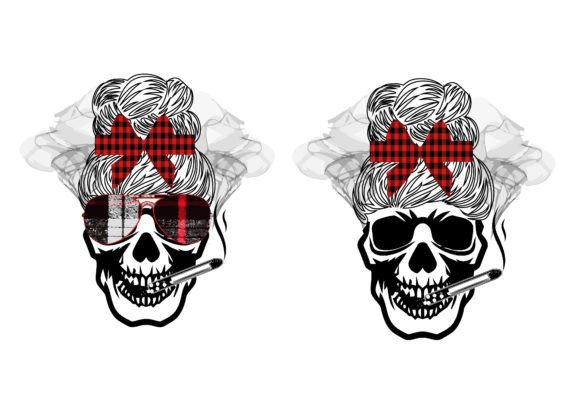
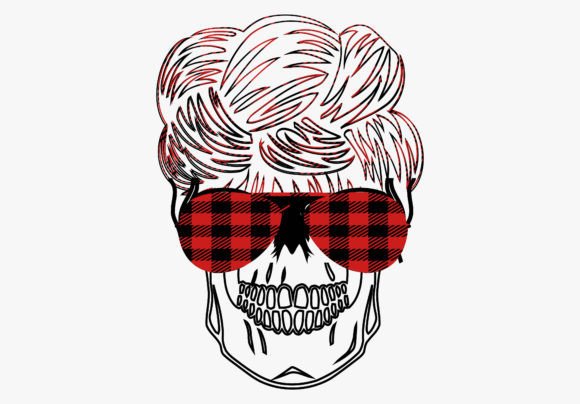
The mood of this skull motif is undeniably edgy yet versatile. It does not scream "horror movie" so much as it whispers "modern alternative style." The lines appear clean, suggesting a balance between solid fill areas and open negative space. For embroidery designers, this is crucial. A design that is too dense will pucker lightweight fabrics, while one that is too sparse may lack impact on textured materials. The visual personality here feels retro-inspired, fitting seamlessly into current trends that favor nostalgic, slightly rebellious imagery.
I immediately thought about how this would look on a black hoodie or a distressed denim jacket. The contrast potential is high. However, the true test of any machine embroidery design is not how it looks on a screen, but how it behaves under the needle. Does it hold its shape? Are the transitions between light and shadow achieved through clever stitch placement, or does it rely on excessive density that might break needles?
Real-World Application: The Custom Sweatshirt Test
To evaluate this properly, I imagined a real-life scenario: a custom order for a local boutique client wanting a line of unisex sweatshirts for the fall season. The client wanted something that appealed to a younger demographic but remained sophisticated enough for everyday wear. The Tattoo Design Skull seemed like a perfect candidate for this custom apparel project.
In this context, the design works because it serves as a focal point without overwhelming the garment. When placed on the left chest area, it acts as a subtle brand marker. If scaled up for the back, it becomes a statement piece. The key here is understanding the interplay between the embroidery file and the fabric. Sweatshirt fleece has a pile; if the stitch density is too low, the fabric texture will show through the stitching, making the design look unfinished. If the density is too high, the sweatshirt will feel stiff and uncomfortable against the skin.
For an Etsy seller or small shop product creator, this versatility is a major selling point. You can market this as part of a Halloween collection, a gothic lifestyle brand, or even a rugged outdoor line depending on the color palette you choose. Thread colors play a massive role here. Using traditional white on black creates a classic tattoo look, while muted earth tones like olive, rust, and charcoal can soften the image for a more rustic, fall-themed appeal.
Navigating Technical Challenges
While the aesthetic is strong, there are areas where you must proceed with caution. Skull designs often feature intricate details in the eye sockets, teeth, and nasal cavity. In embroidery, tiny details can get lost if the stitch density is not optimized for the specific hoop size you are using. If you attempt to stitch this on a small 4x4 hoop, ensure that the smallest elements are not below the minimum stitch length recommended by your machine manufacturer.
Textured fabrics present another challenge. If you are applying this as an embroidered patch or directly onto a woven tote bag design, the stability of the fabric helps maintain clarity. However, on stretchy knits or thin cottons, you must use the correct stabilizer. A cut-away stabilizer is often safer for garments that will be washed frequently, as it provides ongoing support to the stitches. Without it, the weight of the thread could cause the fabric to distort over time, ruining the crisp lines of the skull.
Additionally, consider the type of stitches used. A mix of satin stitch for borders and fill stitch for larger areas is typical, but check if the design uses running stitch for fine details. Running stitches can disappear into fluffy fabrics like towels or fleece. If you are creating a holiday embroidery item like a kitchen towel, you might need to adjust the underlay or add a backing to ensure visibility.
Commercial Viability and Brand Consistency
For those running a craft business, the commercial viability of this design depends on execution. A well-stitched Tattoo Design Skull adds perceived value. It signals attention to detail and quality craftsmanship. Customers are willing to pay more for a personalized gift that looks professionally made rather than homemade in a rushed manner. This design can elevate a simple baby embroidery project if used appropriately—perhaps as a subtle accent on a toddler’s jacket rather than a dominant feature on a delicate onesie.
Brand consistency is also key. If your shop focuses on soft, pastel, and whimsical themes, this skull might clash unless reimagined with softer colors and perhaps combined with floral elements. However, if your brand leans towards bold, graphic, and modern aesthetics, this asset fits perfectly. It can be used in printable mockup previews to show customers how the design looks on various products, helping them visualize the final result before purchase.
Practical Notes for the Embroiderer
Before committing to a large batch of commercial embroidery orders, always test the design on scrap fabric identical to your final material. Check the thread color contrast; sometimes what looks good on screen lacks definition in real life. Inspect small details closely after stitching. Are the teeth distinct? Is the jawline smooth?
Verify the licensing terms. While many digital embroidery file providers allow commercial use for finished physical items, restrictions may apply to selling the digital file itself or using it in mass-produced manufacturing. Always confirm these details to protect your business. Finally, consider how the design wears. Items like aprons or caps undergo frequent washing and friction. Ensure your stitch count and density are robust enough to withstand daily use without unraveling or losing shape.
In conclusion, the Tattoo Design Skull is a potent tool for designers who understand its technical requirements. It offers a striking visual impact that can enhance design assets for a variety of projects, from sweatshirt embroidery to decorative home goods. By respecting the limitations of fabric and machine, you can transform this graphic into a high-quality finished product that resonates with customers and stands the test of time.